

Make Fiber Fun: Easy, Delicious Ways to Eat More Veggies
Fiber doesn’t need a rebrand, but vegetables might.
If “eat more fiber” feels overwhelming or boring, you’re not alone. At Here for Health, we focus on adding nourishment without pressure. Vegetables can be one of the easiest places to do that when they’re flavorful, flexible, and realistic.
Fiber supports digestion, blood sugar balance, hormone health, heart health, and fullness — but you don’t need to overhaul your meals to get more of it. Below are simple, low-stress ways to increase veggies throughout the day.
Flavor-Packed Salad Ideas (No sad desk salads here)
Lemon Tahini Crunch Salad – Romaine or kale, shredded carrots, cucumber, chickpeas, pumpkin seeds, and a lemon-tahini dressing. Great for meal prep and texture lovers.
Mediterranean Chickpea Salad – Cherry tomatoes, cucumber, red onion, olives, chickpeas, parsley, and olive oil + red wine vinegar. Add feta if you’d like.
Warm Roasted Veggie & Arugula Salad – Roasted sweet potatoes, broccoli or cauliflower, arugula, walnuts, and a balsamic-Dijon dressing.
Apple Walnut Kale Salad – Kale, sliced apples, walnuts, dried cranberries, and a simple lemon vinaigrette for a sweet-savory crunch.
Southwest Chopped Salad – Romaine, black beans, corn, bell peppers, avocado, and a lime vinaigrette for bold, satisfying flavors.
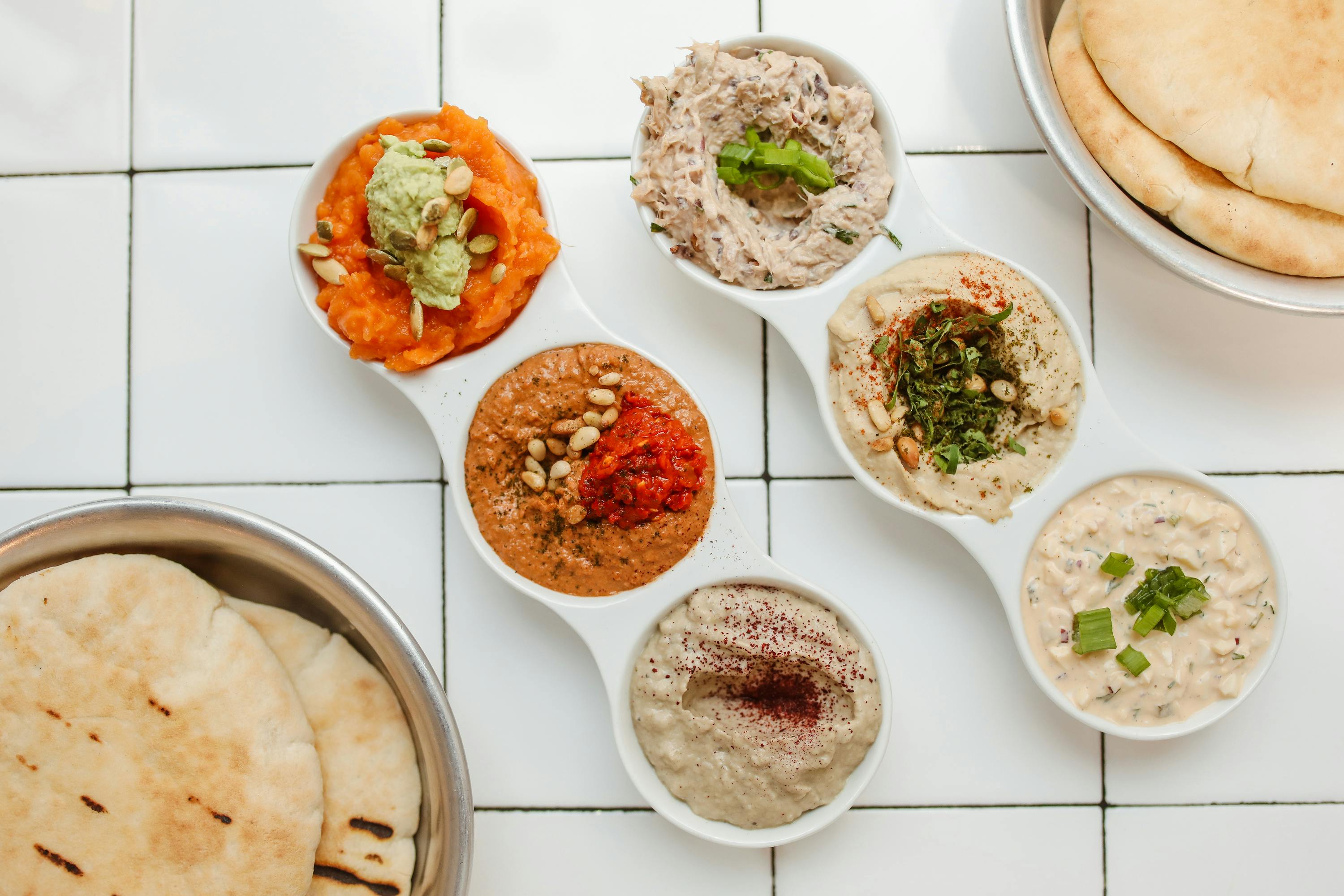
Veggie-Forward Dips (Because dips absolutely count)
Classic or Flavored Hummus Chickpeas, tahini, lemon, garlic, and olive oil; add roasted red peppers or herbs for variety.
Yogurt Herb Veggie Dip Greek yogurt with lemon, garlic powder, dill or chives, and salt. Great with raw or roasted veggies.
White Bean Garlic Dip White beans blended with olive oil, lemon juice, garlic, and rosemary; works as a dip or sandwich spread.
Avocado Yogurt Dip Avocado, Greek yogurt, lime, and salt for a creamy, fiber-rich option.
Baba-Ghanoush Smoky roasted eggplant dip that pairs well with veggies, crackers, or wraps.
Roasted Veggie Go-Tos (Minimal prep, maximum payoff)
Sheet-Pan Rainbow Veggies Broccoli, carrots, red onion, and bell peppers roasted at 425°F for 25–30 minutes. Add to bowls, eggs, wraps, or salads.
Parmesan Roasted Brussels Sprouts Roasted until crispy with olive oil and garlic, finished with parmesan.
Roasted Zucchini & Squash A quick, versatile side for protein, pasta, or grain bowls.
Roasted Sweet Potatoes – Perfect for tacos, salads, breakfast bowls, or snacking.
Sneaking Veggies Into Everyday Meals (No disguises required)
Omelets & scrambles Add spinach, mushrooms, peppers, or onions.
Wraps & sandwiches Layer in cucumber, roasted peppers, or shredded cabbage.
Tacos & bowls Sauté peppers, onions, zucchini, or mushrooms.
Meatballs Mix in grated zucchini, carrot, or onion.
Pasta & rice dishes Stir in roasted vegetables or leafy greens.
Soups: The Ultimate Fiber-Friendly Comfort Food
Soups are one of the easiest ways to increase vegetable intake especially if digestion feels sensitive.
Lentil vegetable soup
Chicken noodle with extra carrots, celery, and spinach
Minestrone with beans and greens
Blended soups (butternut squash, cauliflower, tomato)
Veggie-packed chili
White bean & kale soup
Frozen vegetables work beautifully here and save time.
A Gentle Reminder from Our Dietitians
Fiber doesn’t need to be perfect or calculated.
Adding one extra vegetable per meal or snack can make a meaningful difference especially when it’s prepared in a way you actually enjoy.
If digestion, bloating, or food overwhelm are concerns, working with a Registered Dietitian can help you increase fiber gradually and comfortably, based on your body’s needs.